VOCABULARY VAULT · B1/B2 LEVEL
Public Transport in London
Navigating London: A Guide to the City's Public Transportation
Speaking · Warm-Up
Discuss these questions in pairs
Work with a partner. Discuss the questions below before watching the video.
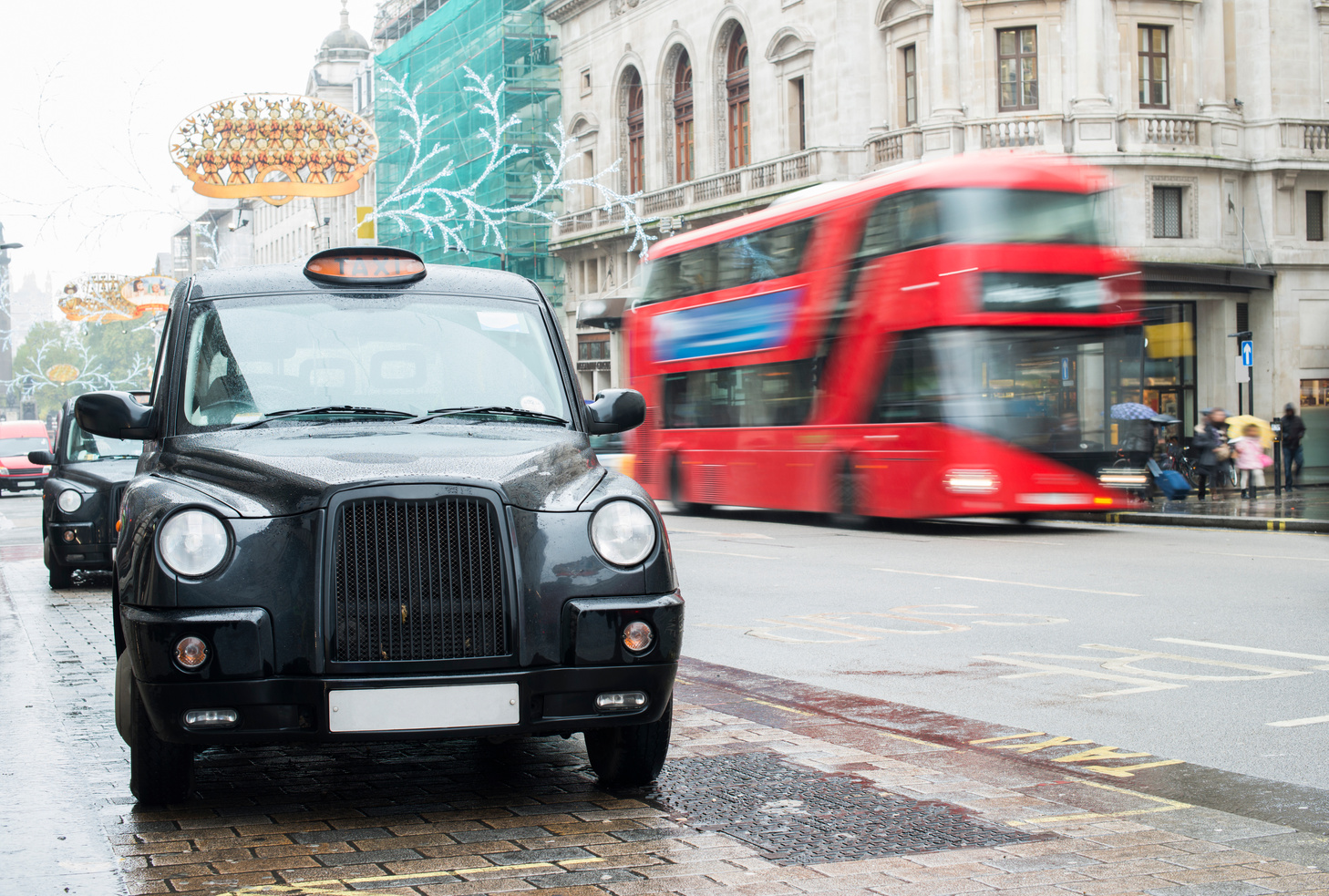
What means of transport do you consider the best in big cities?
Do you have a preference regarding public transport? What is it?
What are the potential downsides of public transport?
Is there a scenario in which you would completely forego private transportation (a car)?
Listening · Video
Watch and Take Notes
Watch the video and fill in the table below with the upsides and downsides of each transport option mentioned by the speaker.
| Transport | ✓ Upsides | ✗ Downsides |
|---|---|---|
| 🚌Buses (Double-decker red buses) | ||
| ⛴River Bus (Thames Clippers) | ||
| 🚲Santander Cycles (Boris Bikes) | ||
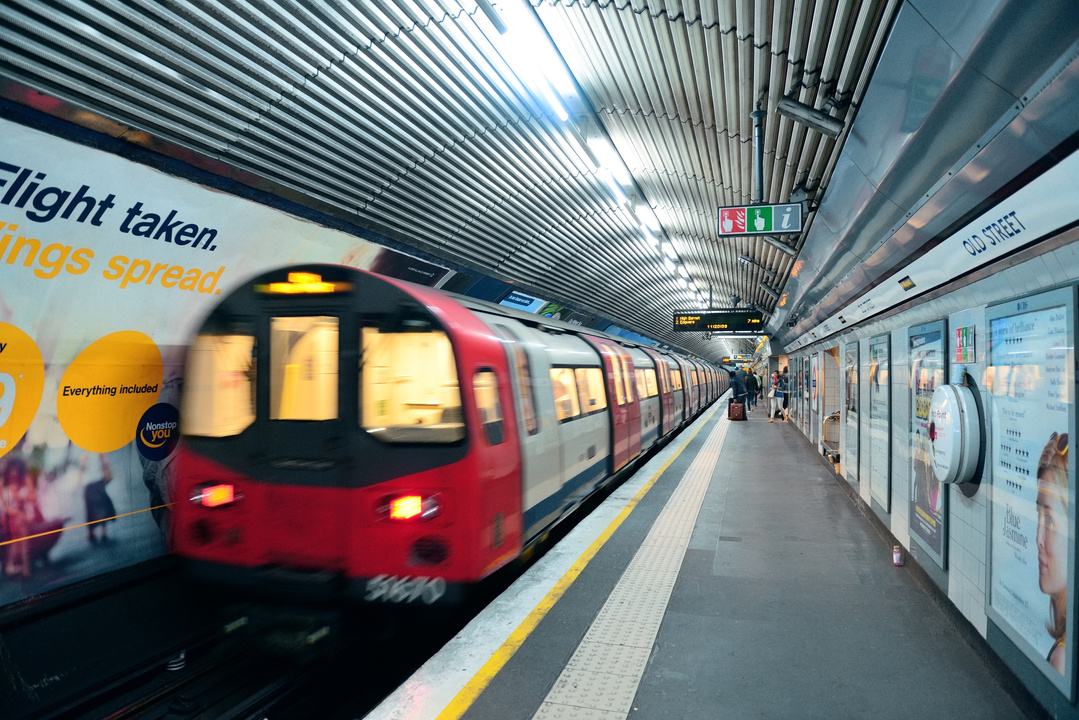
| 🚇London Underground (Tube) | ||
| 🚆Trains (Overground, DLR, National Rail) | ||
| 🚡Emirates Air Line Cable Car |
Listening Comprehension · Exercise
True, False or Not Given
Decide if each statement is True (T), False (F), or Not Given (NG) according to the video.
A bus fare in London always costs £1.75, regardless of distance.
The River Bus has cafés and restrooms onboard.
Cycling in London is free if you use a Santander bike for less than 30 minutes.
The Emirates Air Line Cable Car is located in central London.
The Tube is the most popular and fastest transport option in London.
Buses are usually faster than the Underground.
Trains in London include the Overground and DLR.
The River Bus connects more than 20 different piers along the Thames.
The Emirates Cable Car is very practical for tourists.
The Underground has 270 stations and 11 lines.
Vocabulary · Exercise
Match the Words to Their Definitions
Click a word on the left, then click its matching definition on the right to create a pair. All 10 pairs must be matched before checking.
0/10 matched
Words
Definitions
Speaking · Role Play
Tourist–Londoner Conversations
Pair up and act out different tourist–Londoner conversations. Student A is the tourist, Student B is the Londoner. Use target vocabulary: fare, commuter, drawback, congestion, affordable, etc.
Ask about the cheapest way to travel around London.
Ask for the fastest way to get to the airport.
Ask which transport is best for sightseeing.
Ask whether the River Bus is a good idea for everyday commuting.
Ask if cycling is safe in central London.
Ask which transport option avoids traffic jams.
Ask about the drawbacks of using buses.
Ask if the Tube is affordable compared to buses.
Ask how commuters travel from the suburbs to the city.
Ask about the most iconic London transport experience.
Vocabulary · Exercise
Fill in the Gaps
Fill in the gaps with the correct words from the box below.
Word Bank:
referred todailyfaredrawbackfamiliarsuburbsextensiveaffordableconvenienticonicWord Formation · Exercise
Adjust the Words to Fit the Context
Use the word roots shown in the sidebar to form the correct word for each numbered gap.
Word Roots
Collocations · Exercise
Fill in the Missing Words
Fill in the missing words using vocabulary from the lesson.
Vocabulary · Exercise
Choose the Correct Word
Choose the best word (A–D) to complete each sentence. The words are drawn from the lesson vocabulary.
The London Underground is often as the Tube by both locals and tourists.
Buses are the most option for tourists because the flat fare is only £1.75.
The red double-decker bus is an symbol of London, recognised around the world.
Traffic during rush hour makes bus journeys slow and unpredictable.
The main of the Emirates Cable Car is its location — it connects areas tourists rarely visit.
Many travel from the suburbs into central London every morning by train or Tube.
London has an transport network that covers nearly every corner of the city.
The Oyster card makes travelling around London very — you just tap in and out.
Cyclists should always prioritise and be aware of traffic rules on busy roads.
Trains are particularly useful for people who live in the and need to travel into central London.
Speaking · Vocabulary Revision
Speaking Vocabulary Revision
Live Conversation Mode
Say a word or phrase, then tap it to mark it as used.