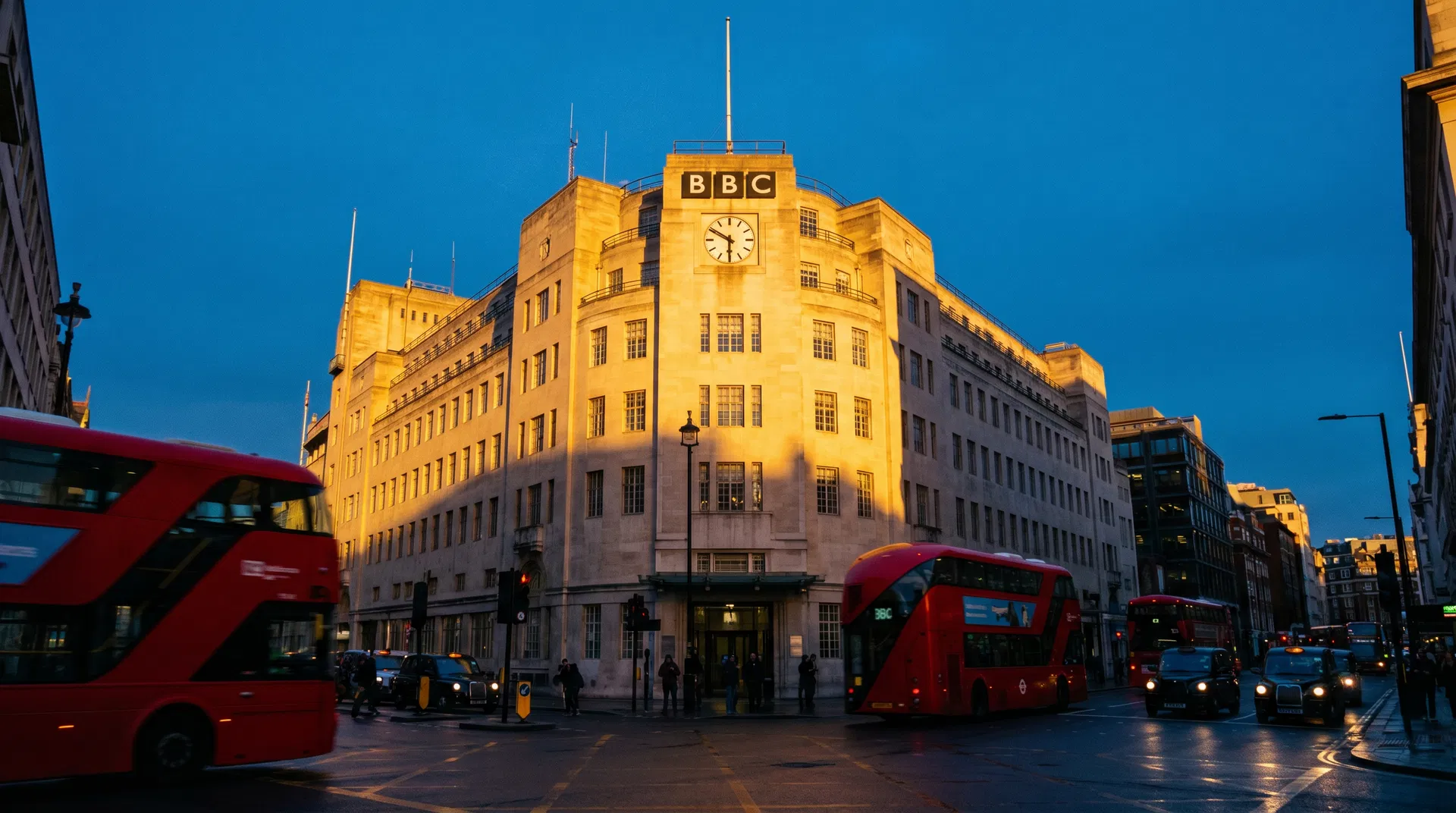
BBC Licence Fee Scrapped
A debate on public broadcasting, media funding, and British culture
Before You Watch
Discuss these questions with a partner before watching the debate.
- 1
Do you watch or listen to the BBC? What do you think of it?
- 2
Should public television be funded by the government, viewers, or advertisers?
- 3
Is it fair to charge every household for a TV licence, even if they don't watch the BBC?
- 4
What would be lost if the BBC disappeared? What might improve?
- 5
How is public broadcasting funded in your country? Is it a good system?
Watch the Debate
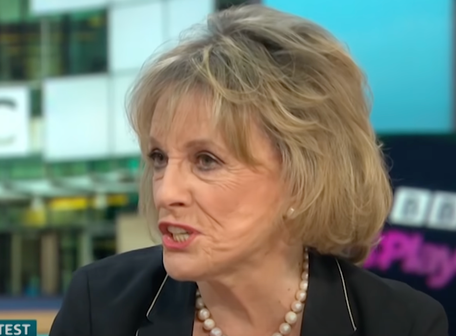
Esther Rantzen
TV presenter & journalist
AGAINST scrapping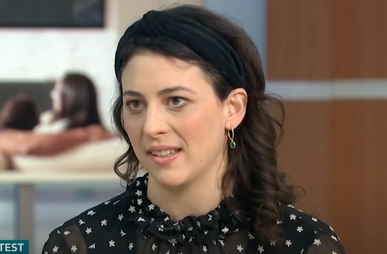
Madlaine McTernan
Former BBC executive
FOR scrappingWatch the Good Morning Britain debate on the BBC licence fee. As you watch, take notes on the arguments each speaker makes in the table below.
| Category | FOR scrapping the fee | AGAINST scrapping the fee |
|---|---|---|
| Funding & fairness | ||
| Quality of content | ||
| Public service value | ||
| Alternatives (subscription/ads) | ||
| Impact on British culture |
Answer the Questions
Answer these questions based on what you watched and heard in the debate.
What is the BBC licence fee and how much does it currently cost?
What argument does Esther Rantzen make in favour of keeping the licence fee?
What does Madlaine McTernan suggest as an alternative to the licence fee?
What does the presenter mean when she says the BBC is 'the envy of the world'?
What is the main risk of moving to a subscription model, according to those who oppose it?
What does 'scrapping' the licence fee mean in this context?
How does the debate reflect broader questions about public vs. private media?
Who Says These Words?
Match each quote to the speaker who said it in the debate. Select Esther, Madlaine, or Presenter.
"It's not fair to charge people who never watch the BBC."
"The BBC is the envy of the world."
"Without the licence fee, we lose the independence that makes the BBC what it is."
"Young people don't watch live TV — they stream everything."
"We need to have this conversation about what the BBC is for."
"I've worked in television for decades and the BBC is irreplaceable."
Key Terms from the Debate
Study these 20 key terms from the debate. Click any term to expand its definition and example sentence.
Practice on QuizletWord Formation
Use the word in brackets to form the correct word for each gap. The word roots are listed on the right.
Word Roots
- 1FOUND
- 2POPULAR
- 3UNITE
- 4SATISFY
- 5REFORM
- 6FAIR
- 7IMPORTANT
- 8PRESS
- 9PRIVATE
- 10DEPEND
Choose the Correct Word
Choose the best option (A–D) to complete each sentence.
The government is considering ___ the licence fee and replacing it with a subscription model.
Many viewers argue that the BBC's ___ makes it more trustworthy than commercial news channels.
The BBC is required by its ___ to provide content that informs, educates, and entertains.
Critics say the flat-rate fee is ___ because poorer households pay the same as wealthy ones.
If the BBC were ___, it would need to rely on advertising or subscriptions to survive.
The BBC's ___ obligation means it must serve all audiences, including minority communities.
Licence fee ___ is technically a criminal offence, though prosecutions are rare.
Supporters argue that the BBC is ___ — no other broadcaster could replace what it does.
The BBC's ___ independence is protected by its charter, which prevents government interference in editorial decisions.
Some economists suggest the BBC should be ___ through general taxation rather than a separate household fee.
Use These Words in Conversation
Click a word card to see its meaning, an example sentence, and hear its British pronunciation. Tick it off once you've used it in conversation.
0/16 usedWant to practise these words as flashcards?
Open QuizletDiscuss in Pairs
Use the vocabulary from this lesson to discuss these questions with a partner. Try to use as many of the suggested words as possible.
Should every household be required to pay for public broadcasting, even if they never use it? Why / why not?
What are the advantages and disadvantages of a subscription model for the BBC compared to the current licence fee?
How important is it for a country to have a public broadcaster that is independent from the government and advertisers?
Do you think the BBC licence fee model is outdated in the age of streaming? What would you replace it with?
Is it right to criminalise people who don't pay the licence fee? What does this tell us about how society values public media?